European larch (Larix decidua) is a familiar choice for exterior timber work. Its pronounced grain, warm colour and useful natural durability make it attractive for both decking and cladding.
It can provide a practical balance between cost, appearance and performance, provided the timber grade, detailing and maintenance suit the project.
Why choose European larch?
Larch contains natural resins and is valued for outdoor use, but it still needs a design that sheds water and allows the timber to dry. Natural durability is not a substitute for correct construction.
- Appearance: warm reddish-brown tones and a clear grain pattern.
- Workability: useful strength with familiar timber-working methods.
- Weathering: untreated exposed surfaces can develop a silver-grey patina.
The colour change will depend on exposure. Sheltered and rain-washed areas may weather differently, so think about the long-term appearance as well as the freshly installed timber.
Larch decking
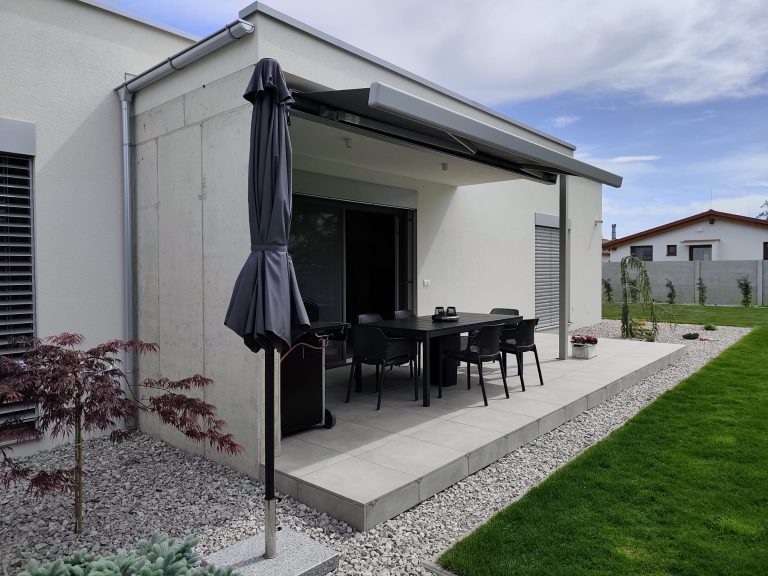
Larch creates a natural surface for outdoor seating and dining areas. Timber can feel comfortable underfoot, although sun exposure, surface condition and maintenance all influence that comfort.

As a renewable material, responsibly sourced larch is an option for projects where timber’s natural character is important.
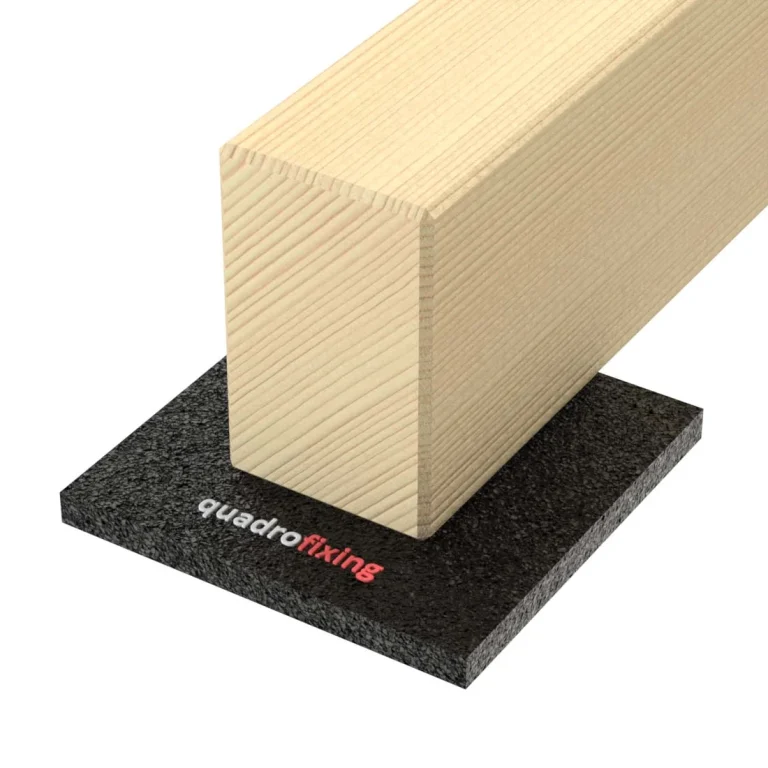
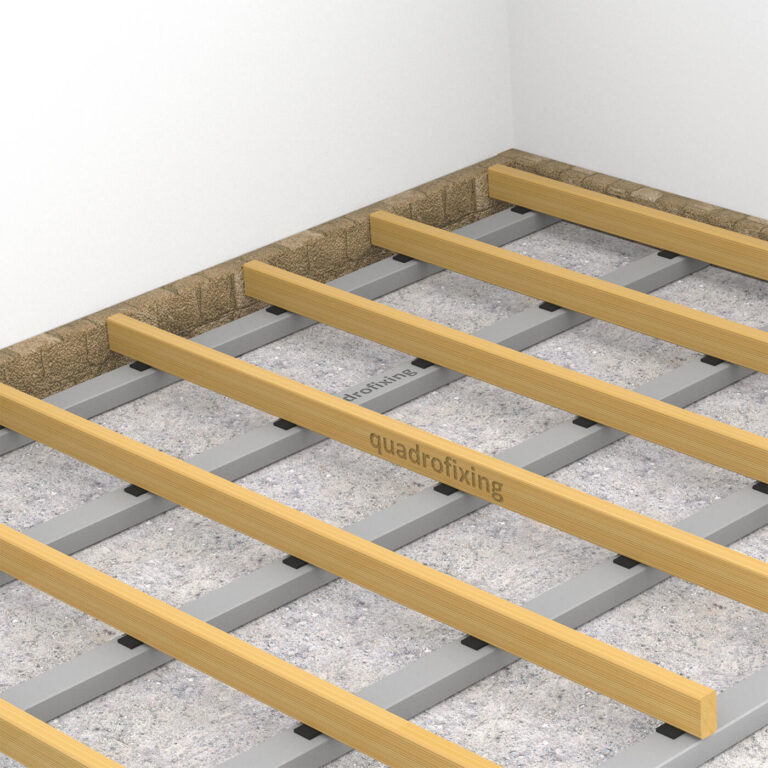
The frame and fixing details have a major influence on service life. One installation option combines TERRIX decking screws, with a head designed to seat neatly in fibrous timber, and QUADRO H spacers to separate the boards from the joists.
Choose the screw grade and size for the exposure, board thickness and frame. Spacers improve the contact detail but do not replace proper drainage or ventilation.
Larch cladding
Larch cladding can give a house a warm, textured exterior. Its performance depends on the whole wall build-up, including insulation, weather protection and the ventilated cavity. The cladding boards alone should not be treated as a complete thermal or moisture-control system.

Cladding can be left to weather naturally or finished with a suitable exterior product to retain more of its original colour. A finish needs maintenance; it does not remove the need for a well-drained, ventilated installation.
Installation details
Protect the supporting battens and avoid details that trap water. Appropriate protective tape or spacing components may be used as part of the chosen system.
Common stainless steel screw diameters are 4 mm or 4.5 mm as cladding examples. The final size, spacing and embedment should follow the board and fixing specification.

Planning for a lasting result
Choose the timber for the intended use, then plan the frame, fixings and water-shedding details around it. For decking, leave the required gaps and maintain airflow below the boards. For cladding, coordinate the ventilated cavity and the junctions around openings.
Larch can suit both a new deck and a timber façade. Its appearance is part of the attraction, but careful installation is what helps it perform well outdoors. Read our decking screw guide and guide to moisture and ventilation for the supporting details.